- Empty cart.
- Continue Shopping

Orthopedic Mattress for Back Pain: How to Choose the Right One for Your Body

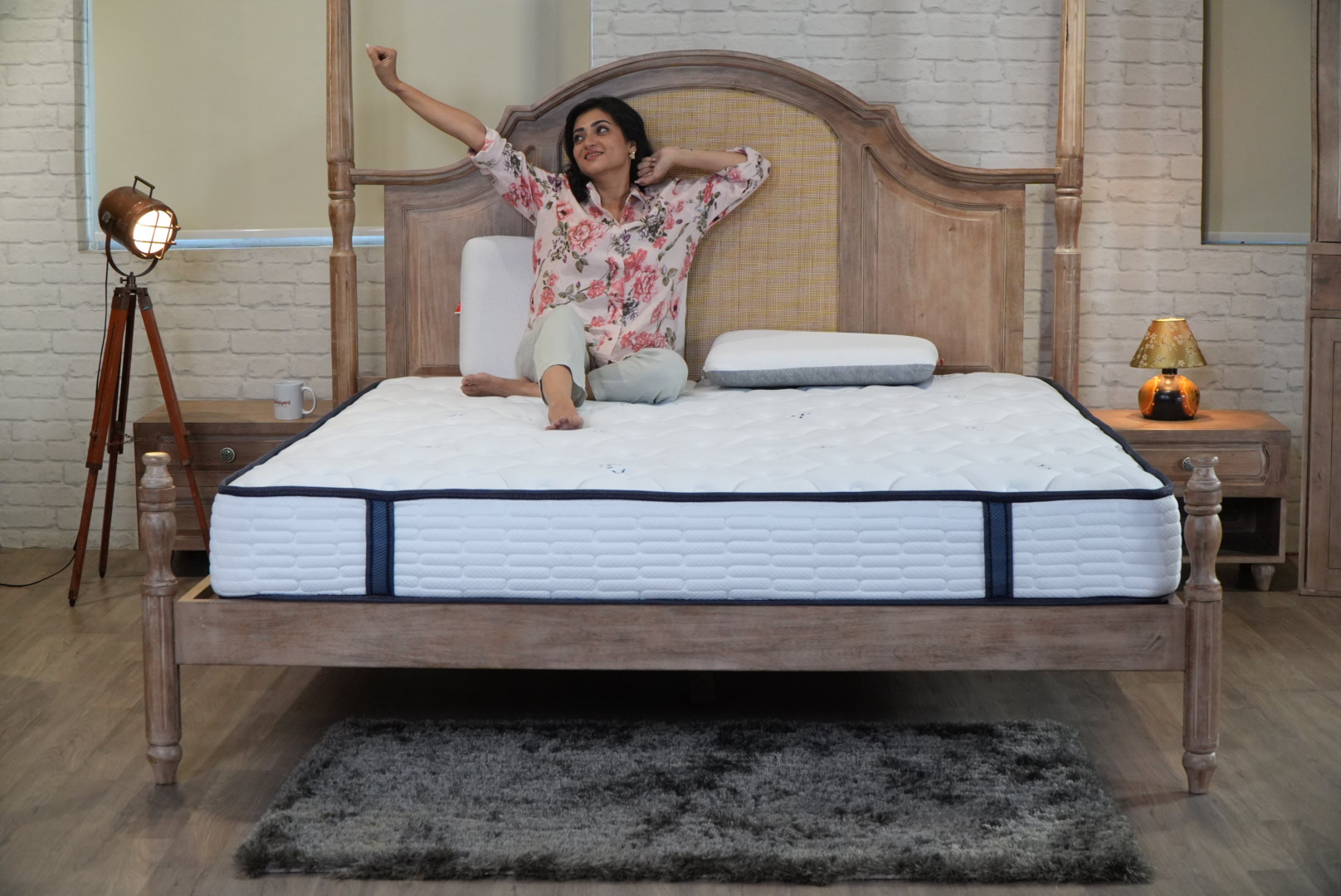
Orthopedic Mattress for Back Pain
If you wake up with a stiff or aching back that eases as the day goes on, your mattress may be part of the problem. A mattress that sags, is too soft or is too firm for your body can leave your spine out of alignment for hours every night.
An orthopedic mattress for back pain is designed to support the spine more evenly. But “orthopedic” is a label, not a guarantee. The right choice depends on how you sleep, how much you weigh and what feels comfortable to you.
In this guide, the Aerocom Mattress team explains how to choose an orthopedic mattress, what to test before buying and when to replace your current mattress. This is general guidance, not medical advice. If your pain is severe, persistent or comes with numbness, tingling or weakness, please see a doctor first.
What Is an Orthopedic Mattress?
An orthopedic mattress is designed to give firm, even support so that your spine stays close to its natural alignment while you sleep. The aim is to stop heavier parts of the body, such as the hips, from sinking too far.
There is no single official definition of “orthopedic” for mattresses in India. Brands use the word for firmer mattresses with supportive cores, which may be made of high-density foam, coir, springs or a combination.
That is why Aerocom Mattress encourages buyers to look beyond the label. Two mattresses both called “orthopedic” can feel very different and suit very different people.
How Your Mattress Affects Back Pain
When you lie down, your spine should keep roughly the same gentle curves it has when you stand with good posture. A mattress that is too soft lets the hips sink, bending the lower back. A mattress that is too hard can create pressure at the shoulders and hips and leave a gap under the waist.
Either way, the muscles around the spine may stay slightly tense through the night instead of fully relaxing. Over time, this can contribute to morning stiffness and discomfort.
An old mattress is a very common culprit. Even a good mattress gradually loses support, and a visible dip where you sleep is a clear sign it is no longer doing its job.
Is a Firmer Mattress Always Better for Back Pain?
Not necessarily. Many people assume the hardest mattress is the best mattress for back pain, but studies on mattresses and low back pain have generally found that medium-firm mattresses suit many people better than very hard ones.
A mattress that is too firm does not let the shoulders and hips sink in slightly, which can push the spine out of line, particularly for side sleepers.
The right firmness is the one that keeps your spine aligned in your usual sleeping position. For most people, that falls somewhere in the medium-firm to firm range, adjusted for body weight. The Aerocom Mattress team can help you compare firmness levels side by side so you can feel the difference yourself.
Choosing an Orthopedic Mattress by Sleeping Position
Back sleepers usually do well on a medium-firm to firm orthopedic mattress. The goal is to support the natural curve of the lower back so that there is no large gap between your back and the mattress.
Side sleepers need a little more give at the top. The shoulder and hip should sink in enough to keep the spine straight from the neck to the hips. A very hard ortho mattress can leave side sleepers with sore shoulders and numb arms.
Stomach sleepers generally need a firmer surface so that the hips do not sink and arch the lower back. Many doctors suggest reducing stomach sleeping if you have back pain.
Combination sleepers who change position often tend to prefer a medium-firm mattress with some responsiveness, so that turning over is easy.
Choosing by Body Weight
Body weight changes how firm a mattress feels. The same mattress feels firmer to a lighter person and softer to a heavier person.
| Body Weight | Firmness That Often Suits |
|---|---|
| Under about 60 kg | Medium to medium-firm |
| About 60–90 kg | Medium-firm to firm |
| Over about 90 kg | Firm, with a high-density support core |
These are general starting points, not rules. Your own comfort when you lie on the mattress matters more than any chart.
Heavier sleepers should pay particular attention to the density of the support core. Low-density foam sags sooner under more weight, which slowly takes away the support you bought the mattress for.
Types of Orthopedic Mattresses
High-density foam orthopedic mattresses offer firm, even support and good motion isolation. Density is important, because higher-density foam holds its shape for longer.
Memory foam orthopedic mattresses combine a firm base with a contouring memory foam layer that relieves pressure. Side sleepers often find these especially comfortable.
Coir orthopedic mattresses are very firm and breathable. They suit people who like a hard surface and live in hot or humid cities like Nagpur and Kolkata.
Spring orthopedic mattresses use a firm coil unit with comfort layers on top. They are breathable and responsive, with a bouncier feel.
Ask the Aerocom Mattress team in Nagpur or Kolkata which orthopedic options are available to try, and which type they would suggest for your sleeping position.
Orthopedic Mattresses for Hot and Humid Cities
Climate matters when choosing an orthopedic mattress. In Nagpur, where summer temperatures regularly cross 45°C, a firm mattress that traps heat can make nights uncomfortable and lead to restless sleep.
In Kolkata, humidity is the bigger concern. A mattress that holds moisture can feel damp and wear out sooner.
Breathable orthopedic options, such as coir or spring constructions, or foam designed for airflow, tend to suit both cities well. Aerocom Mattress recommends pairing any orthopedic mattress with a breathable protector rather than a plastic one.

How to Test an Orthopedic Mattress Before Buying
Lie down for at least ten minutes in your usual sleeping position. Back support is about how your body is held over time, not first impressions.
If you sleep on your back, slide your hand under your lower back. If it slides through very easily, the mattress may be too firm for you. If you cannot get your hand in at all, it may be too soft.
If you sleep on your side, ask someone to check whether your spine looks roughly straight from behind. It should not sag towards the mattress or bend upwards.
Also sit on the edge and get up a few times. People with back pain benefit from firm edges that make getting in and out of bed easier. At Aerocom Mattress, we encourage customers to take their time with these checks.
Signs You Need to Replace Your Mattress
It may be time for a new mattress if you see a visible dip where you sleep, if you feel springs or lumps, or if you consistently sleep better in other beds, such as at a hotel or a relative’s home.
Waking up stiff and feeling better after moving around for half an hour is another common sign. So is a mattress that is more than about seven to ten years old.
If your back pain started or worsened around the time your mattress began to sag, replacing it is a sensible first step, alongside advice from a doctor or physiotherapist.
Getting Used to a New Orthopedic Mattress
Many people need a few weeks to adjust to a new mattress, especially if they are moving from a very soft or sagging one to firmer support.
You may notice some unfamiliar stiffness in the first days as your body adapts to a different sleeping position. This usually settles as your muscles get used to the new support.
If discomfort keeps getting worse rather than better after several weeks, the firmness may not be right for you. Speak to the Aerocom Mattress team about your experience and your options.
Beyond the Mattress
A good mattress is only one part of back health. The right pillow keeps your neck aligned with the rest of your spine. Too high or too low a pillow can undo the benefit of a good mattress.
Regular movement, core strength and good posture during the day all matter too. Long hours sitting at a desk or looking down at a phone put strain on the back that no mattress can undo on its own.
If back pain continues after changing your mattress, see a doctor or physiotherapist. A mattress can support recovery, but it cannot treat an underlying condition.
Choosing an Orthopedic Mattress With Aerocom Mattress
Choosing the right orthopedic mattress for back pain comes down to three things: your sleeping position, your body weight and how the mattress feels when you actually lie on it.
Aerocom Mattress serves customers in Nagpur and Kolkata, and our team is happy to help you compare firmness levels, understand what is inside each mattress and find an option that supports your back comfortably night after night.
Frequently Asked Questions
Which mattress is best for back pain?
For many people, a medium-firm to firm mattress that keeps the spine aligned in their usual sleeping position works best. The ideal firmness depends on sleeping position and body weight.
Is an orthopedic mattress good for lower back pain?
It can help if it keeps the lower back properly supported. Test it in your sleeping position, and see a doctor if pain persists.
Is a hard mattress good for back pain?
Not always. Very hard mattresses can create pressure points and misalignment, especially for side sleepers. Medium-firm often suits more people.
How long does it take to get used to a new orthopedic mattress?
Many people need a few weeks to adjust, especially when moving from a very soft or sagging mattress.
Which orthopedic mattress is best for side sleepers?
Side sleepers usually do better on a medium-firm orthopedic mattress with a softer comfort layer, such as memory foam, that lets the shoulder and hip sink in slightly.
Where can I try an Aerocom Mattress orthopedic mattress?
Aerocom Mattress serves customers in Nagpur and Kolkata. Contact the Aerocom Mattress team in your city to find out where you can try orthopedic mattresses in person.