- Empty cart.
- Continue Shopping


Memory Foam vs Orthopedic Mattress
Walk into any mattress store or browse any mattress website in India, and you will see two labels again and again: memory foam and orthopedic. Most buyers assume they must pick one or the other, but very few are told what the difference actually is.
The memory foam vs orthopedic mattress question is one of the most common that buyers ask, and the answer is less simple than it seems. The two labels are not opposites, and in some mattresses, they describe the same product.
In this guide, the Aerocom Mattress team explains what each label means, how they feel, which suits different sleepers and how they perform in hot and humid cities like Nagpur and Kolkata.
What Is a Memory Foam Mattress?
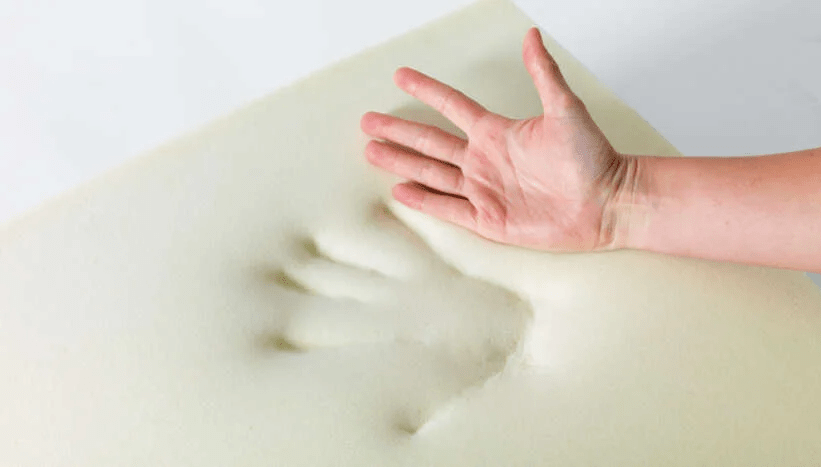
A memory foam mattress contains a layer of viscoelastic foam, a material that softens slightly with body heat and slowly moulds to the shape of your body. When you get up, it gradually returns to its original shape.
This slow, contouring response is what makes memory foam feel different. Instead of pushing back against you, it cradles the heavier and more prominent parts of your body, such as the shoulders and hips.
Memory foam describes a material. A memory foam mattress can be soft, medium or firm, depending on how thick the memory foam layer is and what sits underneath it.
What Is an Orthopedic Mattress?
An orthopedic mattress is designed to provide firm, even support that keeps the spine close to its natural alignment. The aim is to stop the hips and lower back from sinking too far during sleep.
Unlike memory foam, “orthopedic” does not describe a single material. An orthopedic mattress can be made from high-density foam, coir, springs or a combination. What makes it orthopedic is its firm, supportive design.
There is no official standard for the word “orthopedic” on mattresses in India. That is why Aerocom Mattress encourages buyers to judge an orthopedic mattress by how it supports them, not by its label alone.
The Key Point: They Are Not Opposites
This is the part most buyers are never told. Memory foam is a material, while orthopedic is a type of support. A mattress can be both at the same time.
Many orthopedic mattresses have a firm support core with a thin layer of memory foam on top. This combination gives firm spinal support underneath and a little pressure relief at the surface.
So the real choice is usually not memory foam or orthopedic. It is how much contouring softness you want on top of how much firm support underneath. Once you see it this way, the decision becomes much easier.
How They Feel: Contouring vs Firm Support
A mattress with a thick memory foam comfort layer feels soft and enveloping. You sink in slightly and feel held in place. Many people describe it as sleeping in the mattress rather than on it.
A firm orthopedic mattress feels solid and supportive. You stay on top of the surface, and your body is held level rather than cradled.
Neither feel is better in itself. Some people love the hug of memory foam and find firm mattresses uncomfortable, while others feel trapped by memory foam and prefer the stability of a firm surface. The Aerocom Mattress team always recommends lying on both before deciding.
Memory Foam vs Orthopedic Mattress for Back Pain
For back pain, what matters most is spinal alignment. A mattress should keep your spine in roughly the same gentle curves it has when you stand with good posture.
An orthopedic mattress does this through firm, even support. It is often a good choice for back sleepers and stomach sleepers, and for people who find soft mattresses make their back pain worse.
A memory foam mattress supports alignment by filling in the gaps under your body, such as the space under your lower back. For side sleepers, this can keep the spine straighter than a very firm surface.
Studies on mattresses and low back pain have generally found that medium-firm mattresses suit many people better than very hard ones. For many buyers with back pain, a medium-firm orthopedic mattress with a memory foam top layer is a sensible middle ground.
A mattress supports good sleep posture, but it is not a treatment. If your back pain is severe or persistent, please see a doctor or physiotherapist.
Which Suits Your Sleeping Position?
Side sleepers usually benefit from memory foam. The shoulder and hip need to sink in slightly for the spine to stay straight, and a very firm orthopedic mattress can leave side sleepers with sore shoulders and numb arms.
Back sleepers often do well with an orthopedic mattress, or an orthopedic mattress with a thin memory foam layer. The lower back needs support without sinking.
Stomach sleepers generally need a firm orthopedic mattress so that the hips do not sink and arch the lower back. Thick memory foam can let the hips drop too far.
Combination sleepers who change position often may find thick memory foam slows them down. A medium-firm orthopedic mattress with a responsive top layer usually makes turning over easier.
Which Suits Your Body Weight?
Body weight changes how any mattress feels. Lighter people often find firm orthopedic mattresses too hard, because they do not press into the surface enough to feel any give. For them, a memory foam comfort layer can make a big difference.
Heavier people tend to sink further into memory foam. For them, a firm orthopedic support core is important, with only a moderate memory foam layer on top so that the hips do not sink too deeply.
People of average weight have the widest choice. Most will be comfortable on a medium-firm mattress, whether it is labelled orthopedic, memory foam or both. The Aerocom Mattress team can help you judge this by asking a few simple questions about your weight and sleeping position.

Joint Pain and Pressure Points
People with sore shoulders, hips or knees often find memory foam more comfortable. Because it spreads body weight across a larger area, it reduces pressure on the points that touch the mattress most.
A very firm orthopedic mattress concentrates pressure on those same points. That is fine for many people, but it can be uncomfortable for those with joint pain, especially side sleepers.
If you have both back pain and joint pain, a firm orthopedic core with a memory foam top layer often gives the best balance of support and pressure relief.
Heat: How Each Performs in Nagpur and Kolkata
Heat is where the two differ most in Indian cities. Traditional dense memory foam can hold body heat, because it moulds closely to your body and limits airflow. In Nagpur, where summer temperatures regularly cross 45°C, this can make nights uncomfortable.
Orthopedic mattresses vary. A coir or spring orthopedic mattress is naturally breathable, while a high-density foam orthopedic mattress may be warmer, depending on its construction.
In Kolkata, humidity adds another concern. A mattress that traps heat also tends to trap moisture, which can make it feel damp during the monsoon.
If you like memory foam but sleep hot, look for constructions designed for airflow, such as open-cell foam or ventilated layers, and use a breathable cover and protector. Aerocom Mattress recommends asking directly how any memory foam mattress handles heat before you buy.
Couples and Motion Isolation
If you share a bed with a partner who moves a lot, memory foam has a clear advantage. It absorbs movement, so one person turning over is less likely to wake the other.
Firm orthopedic mattresses vary. Foam-based ones also isolate motion well, while coir is reasonably good and connected spring units transfer more movement across the bed.
For couples with different preferences, an orthopedic mattress with a memory foam top layer is often a good compromise. It combines firm support with some motion absorption.
Durability: What Really Matters
Durability depends more on material quality than on the label. A memory foam mattress with low-density foam can develop body impressions quickly, and so can an orthopedic mattress with a weak support core.
Ask about the density of the foam layers, measured in kg/m³. Higher-density foam generally keeps its shape longer. For coir, check that the surface feels even and springy. For springs, check that you cannot feel individual coils.
Rotating any mattress every three to six months helps it wear evenly, whichever type you choose.
So, Memory Foam vs Orthopedic Mattress: Which Should You Choose?
Choose a mattress with a thick memory foam layer if you are a side sleeper, have joint pain, share a bed with a restless partner or simply love a soft, contouring feel. Just make sure it is designed to manage heat.
Choose a firm orthopedic mattress if you sleep on your back or stomach, prefer a solid surface, find soft mattresses worsen your back pain or sleep very hot.
Choose an orthopedic mattress with a memory foam top layer if you want firm support with some pressure relief, or if you and your partner have different preferences. For many buyers, this is the best of both.
Compare Both With Aerocom Mattress
The best way to settle the memory foam vs orthopedic mattress question is to lie on both, one after the other, in your usual sleeping position. A few minutes on each will tell you more than any description.
Aerocom Mattress serves customers in Nagpur and Kolkata, and our team is happy to help you compare both types, explain what is inside each mattress and find the right balance of support and comfort for your body.
Frequently Asked Questions
Is memory foam better than an orthopedic mattress?
Neither is better for everyone. Memory foam suits side sleepers and people with joint pain, while firm orthopedic mattresses suit back and stomach sleepers. Many mattresses combine both.
Can a mattress be both memory foam and orthopedic?
Yes. Many orthopedic mattresses have a firm support core with a memory foam layer on top, combining firm support with pressure relief.
Which is better for back pain, memory foam or orthopedic?
For many people, a medium-firm orthopedic mattress with a memory foam top layer works well. The best choice depends on your sleeping position and body weight.
Does memory foam get hot?
Traditional dense memory foam can hold body heat. Memory foam designed for airflow, with a breathable cover, sleeps cooler.
Which is better for side sleepers?
Side sleepers usually prefer memory foam, or an orthopedic mattress with a memory foam top layer, because it lets the shoulder and hip sink in slightly.
Where can I compare memory foam and orthopedic mattresses?
Aerocom Mattress serves customers in Nagpur and Kolkata. Contact the Aerocom Mattress team in your city to find out where you can try both types.