- Empty cart.
- Continue Shopping

Does Memory Foam Get Hard in Winter? Why It Happens and What Helps

Does Memory Foam Get Hard in Winter?
You slept on your memory foam mattress all summer and loved it. Then the first cold nights arrive, and suddenly it feels firmer, slower and less comfortable than before. It is natural to wonder whether something has gone wrong.
The short answer is no. Memory foam getting hard in winter is normal, and it happens because of how the material is made. It does not mean your mattress is faulty or worn out.
In this guide, the Aerocom Mattress team explains why memory foam firms up in cold weather, how long it takes to soften, what you can do about it and when a firm feel might point to a real problem instead.
Does Memory Foam Really Get Hard in Winter?
Yes, memory foam feels noticeably firmer in cold conditions. If your bedroom is cool, especially first thing in the morning or when you first lie down at night, the surface can feel stiffer and slower to respond.
This is one of the most common observations people make about memory foam, and it is a well-known property of the material. Every memory foam mattress behaves this way to some degree, regardless of the brand.
The effect is temporary. Once the foam warms up, it softens again and returns to its normal feel. Nothing inside the mattress has been damaged by the cold.
Why Memory Foam Gets Firm in Cold Weather
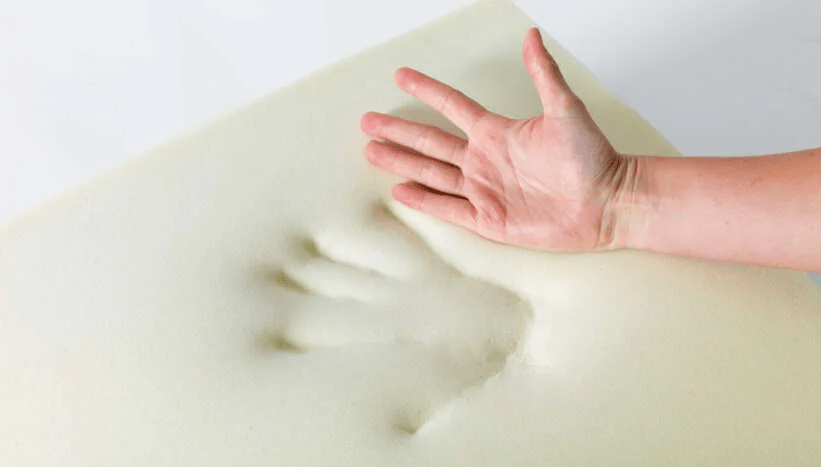
Memory foam is a temperature-sensitive material, also called viscoelastic foam. It softens when it is warm and stiffens when it is cold, which is exactly what allows it to mould slowly to your body shape.
Regular foam responds to pressure only. Memory foam responds to both pressure and heat. When your body warms the foam, it becomes softer and lets you sink in gently. When the foam is cold, its structure stays stiffer and resists that sinking.
That is why a memory foam mattress can feel quite different between a hot afternoon and a cold morning, even though nothing about the mattress has changed. The material is simply reacting to the temperature around it.
Why Is My Mattress Hard in Winter, but Not in Summer?
In summer, bedroom temperatures are high enough that memory foam stays soft all day. It gives way easily, which is why many people notice that it feels almost too soft or warm on hot nights.
In winter, the room is cooler, so the foam starts each night in a stiffer state. It only softens once your body heat has warmed it, which can take some minutes.
If you are wondering why your mattress is hard in winter, the answer is usually this simple seasonal shift. Other types of mattress, such as coir and spring, do not change feel nearly as much with temperature, which is why the effect is mostly associated with memory foam.
How Cold Does It Need to Be?
There is no single temperature at which memory foam suddenly turns hard. It is a gradual change. The colder the room, the firmer the foam feels, and the longer it takes to soften.
In India, winters are mild compared to colder countries, so the effect is usually modest. In Nagpur, some winter nights and early mornings can get quite cool. In Kolkata, the winter chill is often accompanied by damp air, which can make rooms feel colder than the thermometer suggests.
Rooms with no heating and plenty of ventilation, such as bedrooms with open windows or on the top floor, will show the effect more than closed, warmer rooms. If you notice your memory foam mattress feels firmer on the coldest days, that is exactly what to expect.
How Long Does Memory Foam Take to Soften?
For most people, memory foam begins to soften within a few minutes of lying on it, as body heat transfers into the foam. Over the following ten to twenty minutes, the area under your body usually reaches a comfortable softness.
The parts of the mattress that you are not lying on stay cold and firm. This is why the mattress may feel hard when you first get in, then gradually become more comfortable as you settle.
If your room is very cool, it may take longer. Bedding that helps hold your warmth close to the mattress speeds the process up. Aerocom Mattress recommends giving the mattress a little time before judging how it feels on a cold night.
Is a Firm Feel a Sign That the Mattress Is Faulty?
Usually, no. A mattress that is firm only when the room is cold, and soft again once it warms up, is behaving normally. That seasonal pattern is the hallmark of temperature sensitivity, not of a defect.
A real problem looks different. Signs that point to a genuine fault include a mattress that feels hard all year round, visible dips or lumps, areas that no longer spring back, or discomfort that does not improve as the foam warms.
If your memory foam mattress feels the same in every season and is uncomfortable in all of them, it may simply be too firm for you, or the foam may have worn out. In that case, it is worth checking the mattress carefully rather than blaming the weather.
What Actually Helps: Practical Tips for Winter
You do not need to change your mattress because of cold weather. A few small adjustments make a real difference.
Warm the room slightly. Even a small rise in bedroom temperature helps the foam stay softer. Closing windows and doors before bed, and keeping the room away from drafts, is often enough.
Use bedding that holds warmth. A fitted sheet and a good quilt trap your body heat near the surface. This warms the top layer of the foam faster and shortens the time it takes to feel comfortable.
Add a breathable layer. A cotton mattress protector or a soft, breathable sheet adds a little insulation between you and the cold foam without trapping moisture.
Lie down a little earlier. Getting into bed a few minutes before you want to sleep gives the foam time to warm and soften around you.
Keep the mattress dry. Cold and damp together are uncomfortable. In humid cities, air the mattress on dry, sunny winter days with the windows open.
What to Avoid
It is tempting to reach for strong heat sources to warm a cold mattress, but be careful. Heating devices placed directly on foam, or used at high settings, can be uncomfortable and may not be recommended by the manufacturer of either product.
If you use an electric blanket or heating pad, follow its safety instructions and the mattress care guidance, and never leave it running unattended. When in doubt, choose gentler options such as warmer bedding.
Avoid plastic or non-breathable covers in winter as well. They can trap moisture against the mattress, which is a bigger long-term problem than a temporarily firm surface. The Aerocom Mattress team always recommends breathable protectors in every season.
Memory Foam in Nagpur and Kolkata Winters
Winter in Nagpur is short and relatively dry, with cool nights and mornings. For most households, the firmer feel of memory foam in winter lasts a few minutes at bedtime and disappears once the room and the foam warm up.
Winter in Kolkata is mild, but it brings damp, cool air. In this climate, moisture management matters as much as warmth. A breathable cover, regular airing and a well-ventilated room keep the mattress comfortable and fresh.
Both cities swing to heat and humidity for much of the year, so the same memory foam mattress that feels firm in January may feel warm in April. This is why Aerocom Mattress encourages buyers to think about a mattress across all seasons, not just the one they happen to be shopping in.
If You Are Buying a Memory Foam Mattress
If you are shopping for a memory foam mattress in winter, remember that mattresses in a cold showroom or warehouse can feel firmer than they will in your warm bedroom. Give the foam a few minutes of body contact before judging its comfort.
Ask what is inside the mattress. A memory foam layer on top of a supportive core behaves differently from an all-foam design, and foam density, measured in kg/m³, tells you a lot about how long it will keep its shape.
Also consider how it will feel in summer. Dense memory foam that feels cosy in winter can feel warm in Nagpur’s heat. Constructions designed for airflow, with breathable covers, handle both seasons better.
Other Mattress Types and Winter
If the seasonal change bothers you, it helps to know that other mattress types are much less affected by temperature.
Coir mattresses stay consistent in feel throughout the year, since coconut fibre does not soften with warmth. Spring mattresses respond mainly to pressure, not heat, so they feel similar in summer and winter.
Many orthopedic mattresses combine a firm core with a thin memory foam layer, which reduces the seasonal effect because there is less memory foam to change. The Aerocom Mattress team can help you compare these side by side if you would like a mattress that feels more consistent.
When It Is Time to Talk to Someone
If your memory foam mattress feels hard in every season, causes pain or numbness, or has developed visible dips or uneven areas, speak to the seller or the manufacturer. Check your warranty terms, keep your invoice and take photographs of any damage.
Aerocom Mattress serves customers in Nagpur and Kolkata, and our team is happy to talk through your situation and help you work out whether you are seeing normal seasonal firmness or a real problem.
The Simple Takeaway
Memory foam getting hard in winter is normal. It is a natural result of the material’s sensitivity to temperature, it is temporary, and it usually disappears within minutes once your body warms the foam.
A slightly warmer room, good breathable bedding and a little patience are usually all you need. If the firm feel never goes away, it is worth looking more closely at the mattress itself.
Frequently Asked Questions
Does memory foam get hard in winter?
Yes. Memory foam is sensitive to temperature, so it feels firmer in cold rooms and softens again as it warms up from your body heat.
Why is my mattress hard in winter?
If it is a memory foam mattress, the cold makes the foam stiffer. This is a normal, temporary effect and does not mean the mattress is damaged.
How long does memory foam take to soften in cold weather?
Usually a few minutes of body contact starts the softening, and it typically feels comfortable within ten to twenty minutes. Very cold rooms may take longer.
Is a hard memory foam mattress in winter a sign of a defect?
Not usually. If it is firm only when cold and softens as it warms, it is behaving normally. A mattress that is hard in every season, or has dips and lumps, should be checked.
How can I make my memory foam mattress softer in winter?
Slightly warm the room, use bedding that holds warmth, add a breathable protector and lie down a few minutes before sleeping. Avoid strong heat directly on the foam.
Which mattress feels the same in summer and winter?
Coir and spring mattresses are much less affected by temperature. Orthopedic mattresses with a thin memory foam layer also change less than thick, all-memory-foam designs.
Where can I try a memory foam mattress?
Aerocom Mattress serves customers in Nagpur and Kolkata. Contact the Aerocom Mattress team in your city to find out where you can try one in person.