- Empty cart.
- Continue Shopping

Coir vs Foam vs Spring Mattress: Which Suits Nagpur’s Heat and Kolkata’s Humidity?


Coir vs Foam vs Spring Mattress
Most mattress comparisons are written as if everyone lives in the same climate. But a mattress that sleeps comfortably in a cool, dry city can feel very different in Nagpur’s 45°C summers or through Kolkata’s long, humid monsoon.
The coir vs foam mattress question, and where spring mattresses fit in, is really a question about how each material handles heat, moisture and your body. In this guide, the Aerocom Mattress team compares all three, with a focus on the two cities we serve.
By the end, you should know which type suits your climate, your sleeping position and your comfort preference.
Quick Comparison: Coir vs Foam vs Spring
| Feature | Coir | Foam | Spring |
|---|---|---|---|
| Feel | Firm | Soft to firm, contouring | Bouncy, responsive |
| Breathability | High | Varies by type | High |
| Handles humidity | Well | Depends on construction and cover | Well |
| Motion isolation | Good | Very good | Moderate (better with pocket springs) |
| Pressure relief | Low to moderate | High | Moderate |
| Weight | Moderate | Light to moderate | Heavy |
| Can bend for delivery | Limited | Yes | No |
This table is a quick summary. The sections below explain each point in more detail, so you can see why a particular type might or might not suit you.
Understanding Coir Mattresses
A coir mattress is made from coconut husk fibre, usually bonded with latex into a firm sheet. The fibre forms a springy mat full of tiny air gaps.
Those air gaps are the key to coir’s appeal in hot and humid cities. Air moves through the mattress, carrying heat and moisture away instead of trapping them against your body.
Coir is firm, and pure coir can feel hard to people used to soft beds. Many modern coir mattresses add a foam or quilted comfort layer on top to soften the surface while keeping the breathable core underneath.
Coir is also a natural, renewable material. For buyers who care about sustainability, that is an added reason to consider it.
Understanding Foam Mattresses
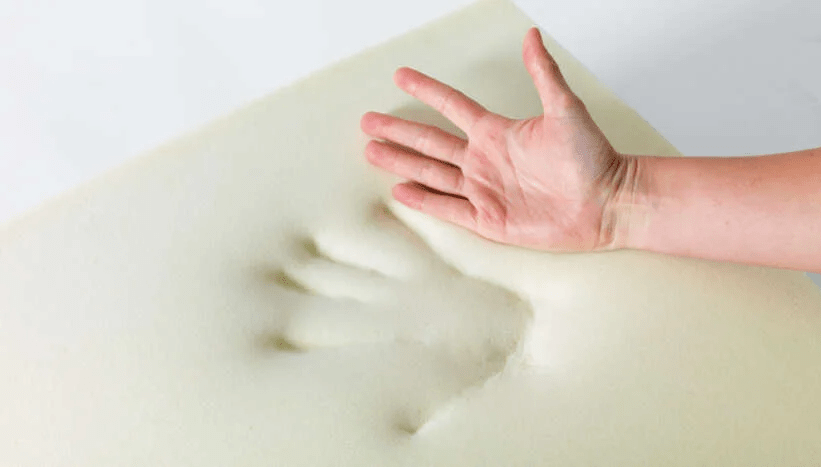
“Foam” covers several different materials. Standard polyurethane (PU) foam is common and widely used. High-resilience (HR) foam is more supportive and durable. Memory foam contours slowly to your body and relieves pressure.
Foam mattresses are excellent at absorbing movement, so a partner turning over is less likely to wake you. Memory foam in particular relieves pressure on the shoulders and hips, which side sleepers appreciate.
The main concern with foam in hot climates is heat. Dense traditional memory foam can hold body heat. Newer foams with open-cell structures, gel infusions or ventilation channels sleep cooler, so the construction matters a great deal. Aerocom Mattress recommends asking specifically how any foam mattress handles heat before you buy.
Understanding Spring Mattresses
A spring mattress has a core of steel coils with comfort layers on top. Bonnell springs are connected to each other, while pocket springs are individually wrapped and move independently.
The coil layer is mostly open space, which makes spring mattresses very breathable. They also have a familiar, bouncy feel that makes it easy to change position during the night.
Connected Bonnell springs transfer more movement across the bed. Pocket springs reduce this, which helps couples. Spring mattresses are heavy and rigid, so check your doorways and staircases before buying one.
The Best Mattress for Nagpur’s Summer Heat
Nagpur is one of India’s hottest cities, and summer nights can stay very warm. For most Nagpur households, the main question is simple: which mattress stays coolest?
Coir and spring mattresses are the natural choices for heat, because air circulates freely through them. If you prefer the softness of foam, choose a construction designed for airflow rather than dense traditional memory foam.
Your bedding matters too. A breathable cotton sheet and a non-plastic mattress protector let the mattress do its job. A plastic protector can cancel out the benefit of even the most breathable mattress.
The Aerocom Mattress team in Nagpur often suggests that buyers who sleep hot lie on a coir or spring mattress first, then compare it with foam, so they can feel the difference in warmth for themselves.
The Best Mattress for Kolkata’s Humidity
In Kolkata, humidity is the bigger issue. A mattress that cannot release moisture can start to smell musty during the monsoon and may wear out sooner.
Coir handles humidity well because the fibre does not hold water and the structure lets air through. Spring mattresses are similarly breathable. Both can be aired out easily on dry days.
Foam can also work in Kolkata if it has a breathable construction and a removable, washable cover. Avoid placing any mattress directly on the floor, where moisture can collect underneath.
For Kolkata buyers, Aerocom Mattress recommends putting breathability and cover quality at the top of the checklist, whichever type you choose.
Coir vs Foam Mattress: The Direct Comparison
When people compare a coir vs foam mattress, they are usually choosing between firmness and breathability on one side and softness and pressure relief on the other.
Coir wins on breathability and firmness. It stays cool, handles humidity well and suits people who like a hard, stable sleeping surface.
Foam wins on pressure relief and motion isolation. It suits side sleepers, people with sore shoulders or hips, and couples who disturb each other at night.
If you want both, a coir mattress with a foam comfort layer on top is a popular middle ground, combining a breathable core with a softer surface.
Spring vs Foam Mattress: The Direct Comparison
The spring vs foam mattress decision is mostly about feel. Spring mattresses are bouncy and responsive, while foam is quieter and more enveloping.
Spring mattresses are more breathable, which matters in Nagpur and Kolkata. Foam absorbs movement better, which matters if you share your bed with a restless partner.
Pocket spring mattresses narrow the gap by reducing motion transfer while keeping the airflow of a coil core. For couples in hot cities, they are often worth trying.
Which Mattress Suits Your Sleeping Position?
Side sleepers usually need pressure relief at the shoulders and hips. Memory foam, or coir with a soft comfort layer on top, tends to suit them better than pure coir.
Back sleepers do well on medium-firm to firm surfaces. Coir, firm foam and firm spring mattresses can all work well.
Stomach sleepers generally need a firm surface to keep the hips from sinking, which makes coir or firm foam a good match.
Couples who disturb each other should look at foam or pocket spring mattresses, which absorb more movement than coir or Bonnell springs.
Durability and Care
All three types can last many years if they are well made. Quality depends more on materials than on type: high-density foam, well-bonded coir and properly made coils all last longer than cheaper versions.
For foam, ask about foam density, measured in kg/m³. Higher density generally means the foam keeps its shape for longer. For coir, press across the surface to check it feels even, with no soft or hollow patches. For springs, lie down and move around to check that you cannot feel individual coils and that there is no creaking.
Rotate any mattress every three to six months so that it wears evenly. For coir and spring mattresses in humid weather, airing the mattress on dry, sunny days helps keep it fresh.
So, Coir vs Foam vs Spring: Which Should You Choose?
If you sleep hot, live in Nagpur and like a firm surface, coir is hard to beat. If you want a bouncier feel with good airflow, a spring mattress, ideally with pocket springs, is a strong option.
If you are a side sleeper or share a bed with a restless partner, foam’s pressure relief and motion isolation may matter more than maximum breathability. Just choose a construction designed to stay cool.
In Kolkata, prioritise breathability and a washable cover, whichever type you choose.
Compare Them in Person With Aerocom Mattress
The easiest way to decide is to lie on all three types in one visit and feel the difference yourself. Aerocom Mattress serves customers in Nagpur and Kolkata, and our team is happy to explain how each type performs in your city’s climate.
Ask the Aerocom Mattress team which types are available to try, and give yourself a few minutes on each one in your usual sleeping position. It is the simplest way to choose a mattress you will be comfortable on through every season.
Frequently Asked Questions
Which is better, a coir or foam mattress?
Coir is firmer and more breathable, which suits hot and humid climates. Foam offers more pressure relief and motion isolation. The better choice depends on your climate and comfort preference.
Which mattress is best for summer in India?
Breathable mattresses such as coir and spring, or foam designed for airflow, generally stay cooler than dense traditional memory foam.
Is a spring mattress better than a foam mattress?
Spring mattresses are bouncier and more breathable, while foam absorbs movement better and relieves pressure. Neither is better for everyone.
Which mattress is best for humid weather?
Coir and spring mattresses handle humidity well. Foam mattresses should have a breathable construction and a removable, washable cover.
Is a coir mattress good for back pain?
Coir’s firm support suits some people with back pain, especially back and stomach sleepers. Side sleepers may prefer coir with a softer comfort layer on top.
Where can I compare coir, foam and spring mattresses?
Aerocom Mattress serves customers in Nagpur and Kolkata. Contact the Aerocom Mattress team in your city to find out where you can try different mattress types.